What Are Online Interactive Games for Kids?
Online interactive games for kids are digital learning tools that require active cognitive participation—such as solving arithmetic problems, categorizing science facts, or spelling sight words—rather than just passive viewing. Designed for foundational learning, these tools help children ages 5–12 build critical thinking skills in a fun, distraction-free environment.
As a parent, balancing screen time can feel like a constant uphill battle. You want your children to be digitally literate, but you also want to protect them from mindless scrolling. By pivoting toward high-quality interactive games for kids online, you can transform a simple tablet session into a powerful tutoring moment.
Our focus today is on how to identify the best platforms, understand the cognitive benefits behind game-based learning, and ultimately, provide your family with a robust toolkit of safe, engaging digital activities.
The Hidden Benefits of Free Online Educational Games
Finding free online educational games is about more than just saving money. It is about accessing accessible, universally available tools that democratize learning. When games are built with education as the primary goal, the benefits extend far beyond the screen.
Why do these tools work so well for elementary-aged children? The secret lies in dopamine and low-stakes environments.
- Immediate Feedback: Unlike waiting a week for a graded worksheet, digital puzzles instantly tell a child if they are correct. This instant loop cements the knowledge.
- Reduced Subject Anxiety: Many kids suffer from math or reading anxiety. Disguising a subject behind an exciting race lowers their guard.
- Customized Pacing: Interactive learning games adapt to the speed of the child, allowing them to master fundamentals before moving on to harder challenges.
- Social Cooperation: Many modern educational tools feature local multiplayer options, encouraging siblings to work together and communicate clearly.
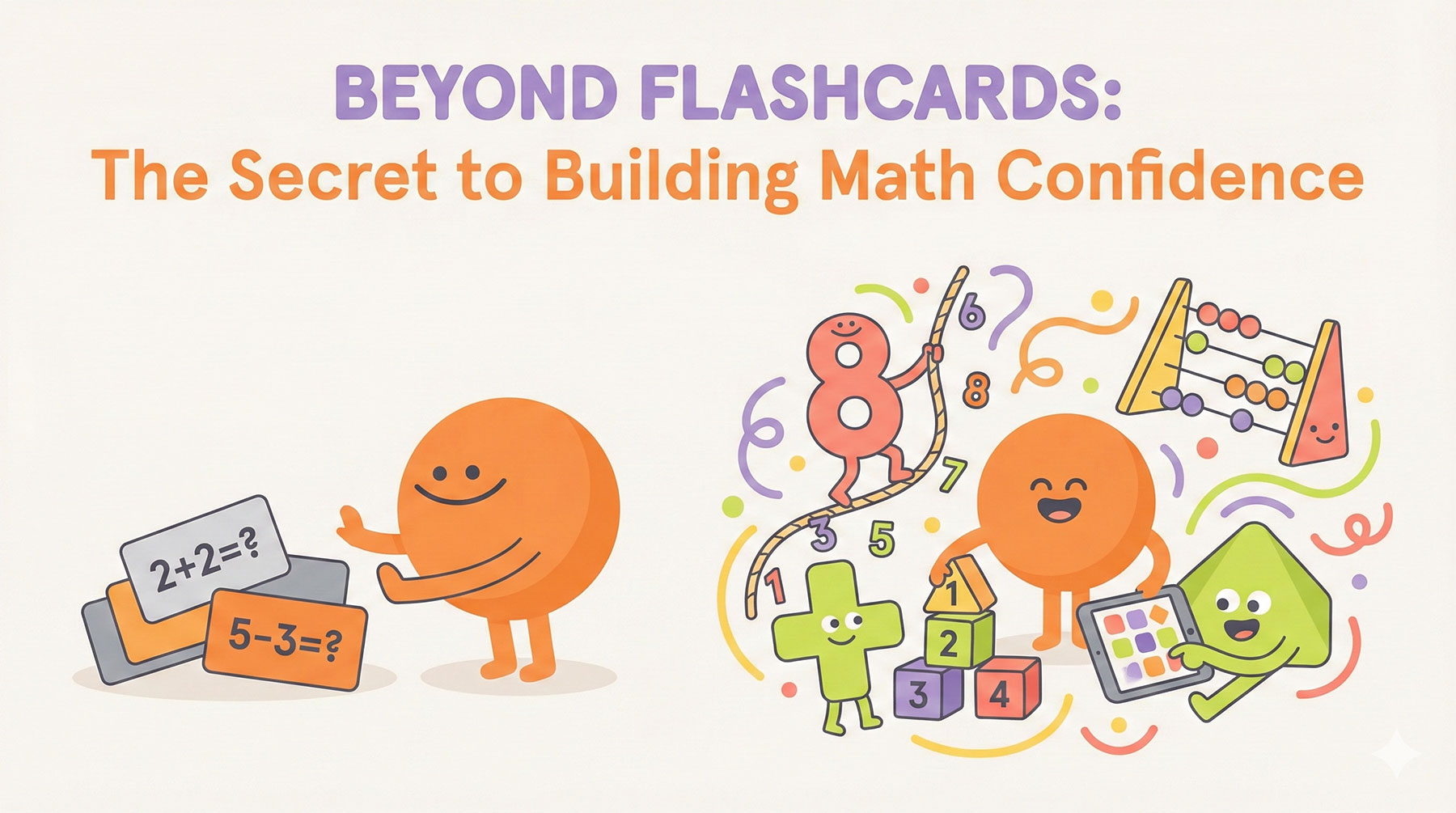
If you have an 8-year-old struggling with rote memorization, swapping out traditional flashcards for an active digital equivalent can dramatically change their attitude toward learning.
How to Identify Safe Online Games for Kids
Not everything labeled "educational" is actually beneficial. Safe online games for kids must prioritize data privacy, eliminate predatory microtransactions, and create a closed ecosystem where children cannot interact with strangers.
When curating a list of approved websites for your family, always check for the following three safety pillars:
1. Zero Peer-to-Peer Chat
The biggest risk to children playing online is unmoderated chat rooms. The best digital learning environments either eliminate chat completely or restrict it to pre-written, safe phrases. Cooperative play should ideally happen in the physical room, sharing a single device.
2. No Intrusive Advertising
Many "free" apps are heavily monetized with pop-up ads that accidentally redirect children to inappropriate app store pages. Look for platforms that clearly state they offer ad-free gameplay or rely on transparent support models.
3. Browser-Based Accessibility
A major advantage of kids browser games is that they run in a sandbox environment. Because you aren't downloading executable files to your desktop or installing unknown mobile apps, your device remains protected from malware. Simply load the URL and play.
Top 4 Interactive Core Subjects to Gamify
Which subjects translate best into the digital world? If you want to maximize your child's educational screen time, focus on the big four: Mathematics, Vocabulary, Logic, and Early Science. Gamifying these specific subjects yields the highest return on cognitive development.
| Subject | Core Skill Developed | Best Game Type |
|---|---|---|
| Mathematics | Addition, Subtraction, Multiplication Fluency | Racing games requiring fast computation |
| Vocabulary | Sight Words, Phonics, Spelling Patterns | Missing-letter identification and word building |
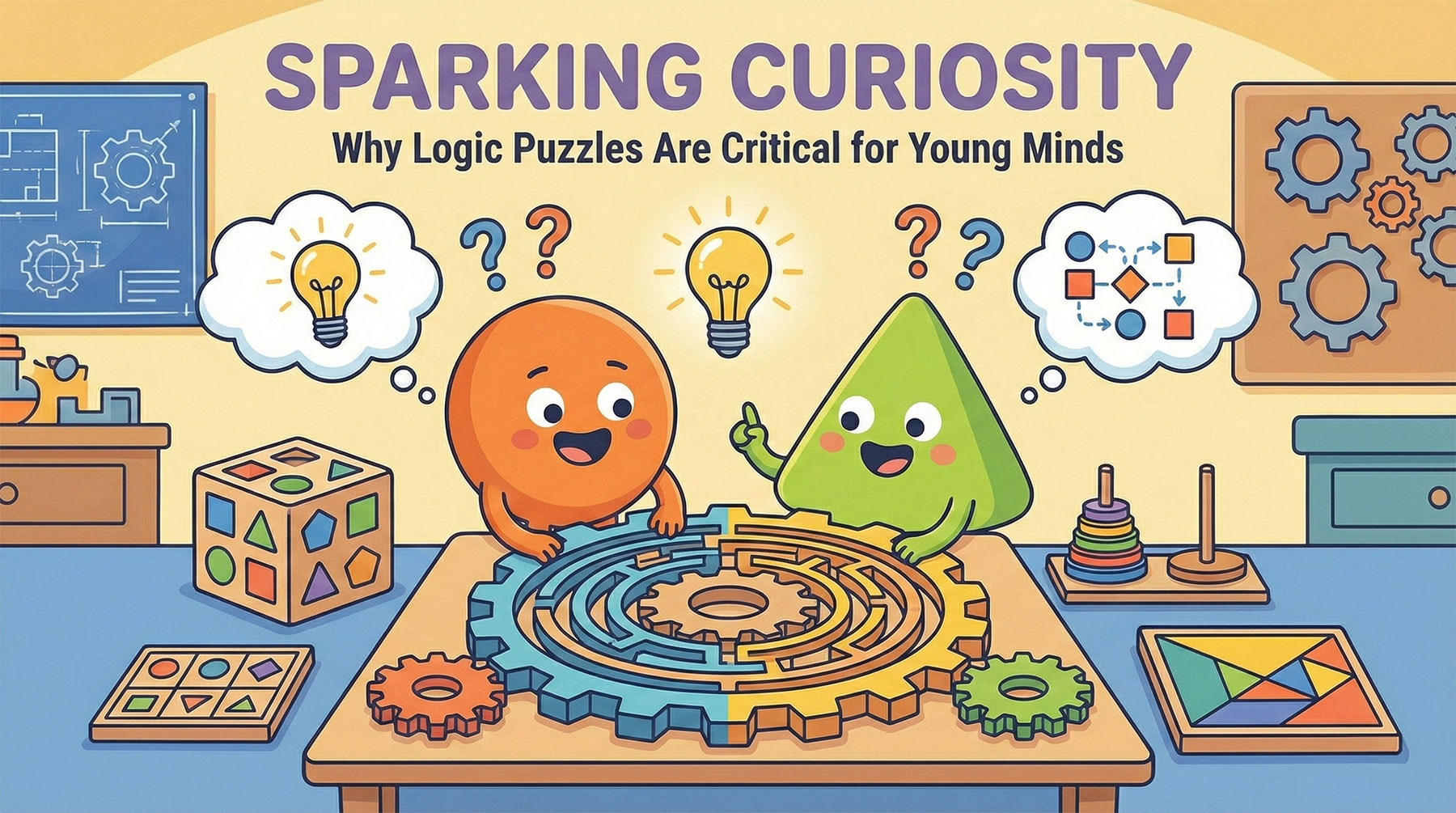
| Logic | Deductive Reasoning, Pattern Recognition | Grid puzzles and spatial challenges |
| Science | Categorization, States of Matter | Lab simulations and object sorting |
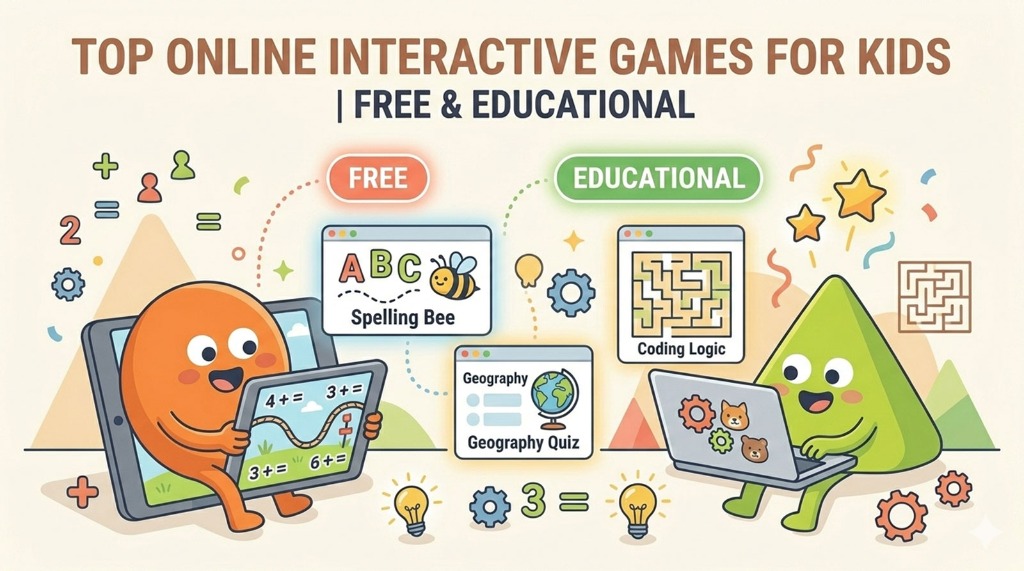
At WhizKidWorld, we have built specific titles to address these exact educational pillars. For vocabulary building, the Spelling Bee Race transforms dreaded sight-word practice into an exhilarating sprint to a sunflower. By forcing players to find the missing letter, children naturally absorb the spelling without ever holding a pencil.
Similarly, for foundational arithmetic, engaging in math rope climbing challenges forces rapid-recall. When a child has to calculate "7 + 6" in two seconds to beat their sibling up the rope, they are building permanent neural pathways.
Step-by-Step: Incorporating Game-Based Learning into Your Routine
Introducing online interactive games for kids shouldn't be a random occurrence. To see actual improvements in school performance, games should be woven into your family's daily or weekly routine.
Step 1: The Post-School Transition
Instead of diving straight into homework when your child walks through the door, offer a 15-minute digital cooldown. Taking time to solve science logic puzzles gives their brain a chance to reset from the highly structured classroom environment.
Step 2: Replace the Flashcards
Identify the subject your child struggles with the most. If it is 2nd-grade spelling, replace the physical flashcard drilling with an interactive digital equivalent. The rules of engagement remain the same, but the medium becomes joyful.
Step 3: Play Together
Don't just hand over the iPad and walk away. The most profound learning happens cooperatively. Sit next to your child or have them play against a sibling. For example, tackling digital sudoku puzzles together teaches them how to verbally explain their deductive reasoning ("I know the 4 goes here because...").
Step 4: Establish Clear Boundaries
Treat these modules like digital vitamins. Once the 20-minute timer rings, the session is over. Because the platforms are browser-based, you can simply close the tab, eliminating the endless scrolling behaviors associated with traditional video apps.
Why Browser-Based Is the Future of EdTech
Parents are tired of juggling app updates, managing storage space on tablets, and worrying about hidden subscriptions. This is why kids browser games have become the gold standard for at-home education.
By utilizing modern HTML5 web technology, platforms can deliver rich, high-definition animations, sound effects, and complex logic straight through Chrome, Safari, or Edge. You enjoy console-quality educational tools on a five-year-old laptop completely friction-free. As long as you have an internet connection, you have a world-class tutor ready to go.
Conclusion: Make Screen Time Work For You
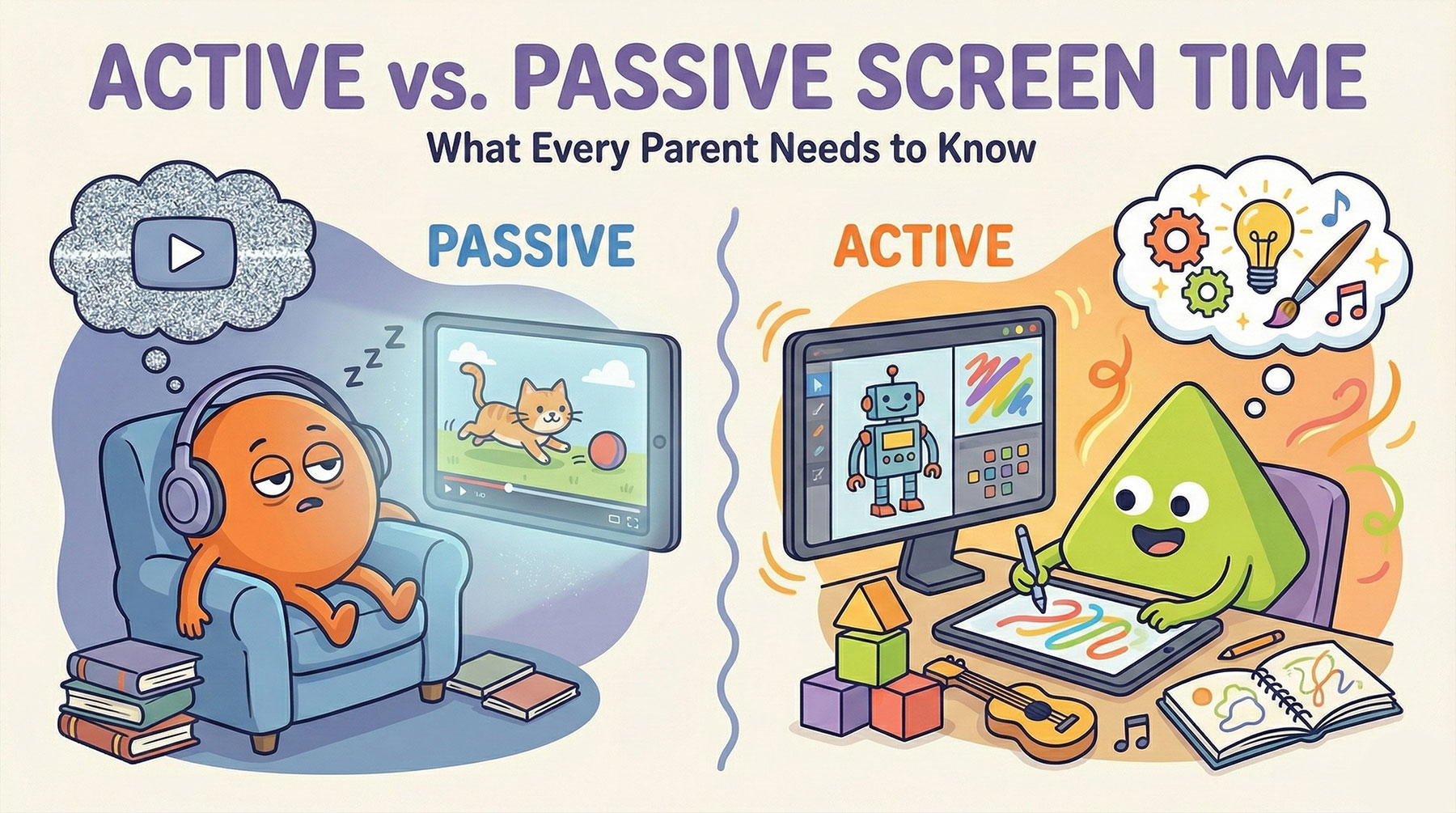
Screen time is not the enemy; passive consumption is. By curating a list of online interactive games for kids, you empower your children to take control of their educational journey. You provide them with the tools to fail safely, learn rapidly, and develop a genuine love for problem-solving.
Whether they are racing bees to master their vocabulary, solving intricate logic grids, or climbing ropes with math, the benefits will manifest in their confidence and their report cards.
Ready to upgrade your child's screen time?
Start playing free interactive games at WhizKidWorld today and watch their confidence soar!
Explore All Free Games →