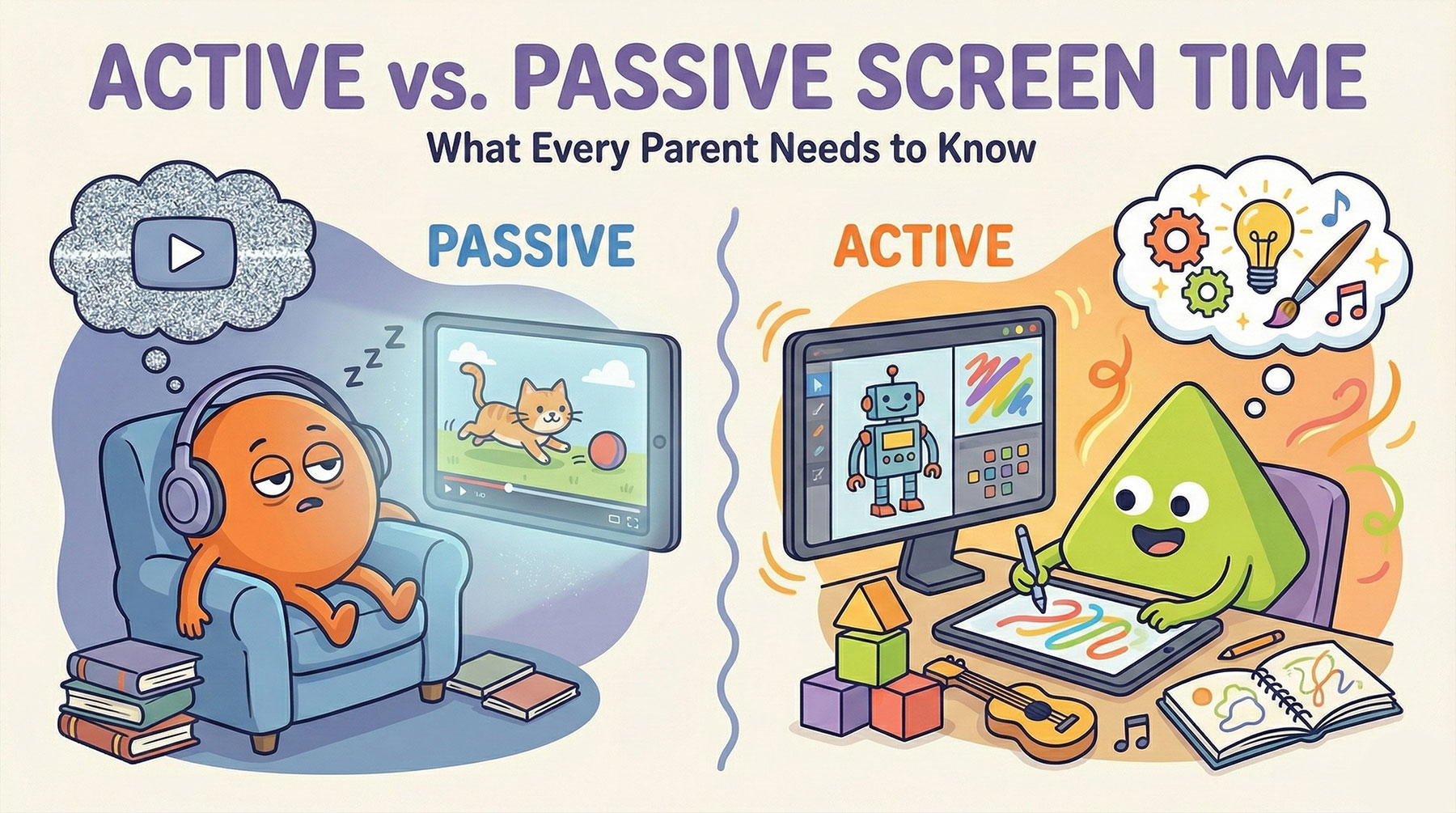
When we think of kids playing digital games, we often picture them isolated in their own worlds, wearing headphones, and ignoring the room around them. But screen time doesn't have to be a solitary experience.
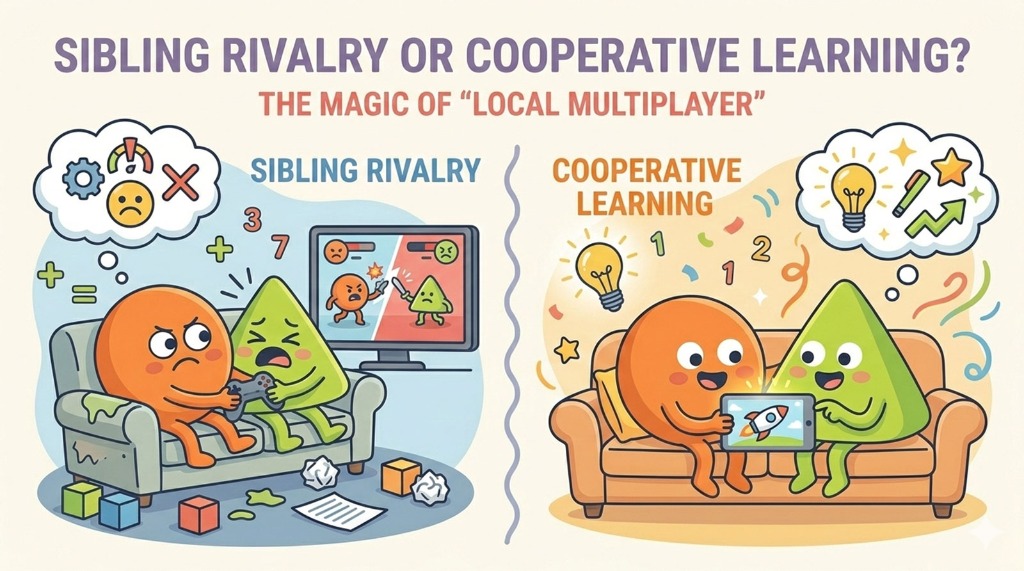
As a freelance web developer and designer, I specifically build games to bring kids together rather than isolate them behind separate screens. This is the magic of "local multiplayer"—a design where two players share the exact same keyboard or tablet.
When children play side-by-side, they are forced to communicate, negotiate, and cheer each other on. If one child is struggling to solve a math problem in a racing game, the other naturally leans over to help them find the answer. It transforms a solitary educational task into a shared social event, teaching sportsmanship and peer-to-peer tutoring in real-time.
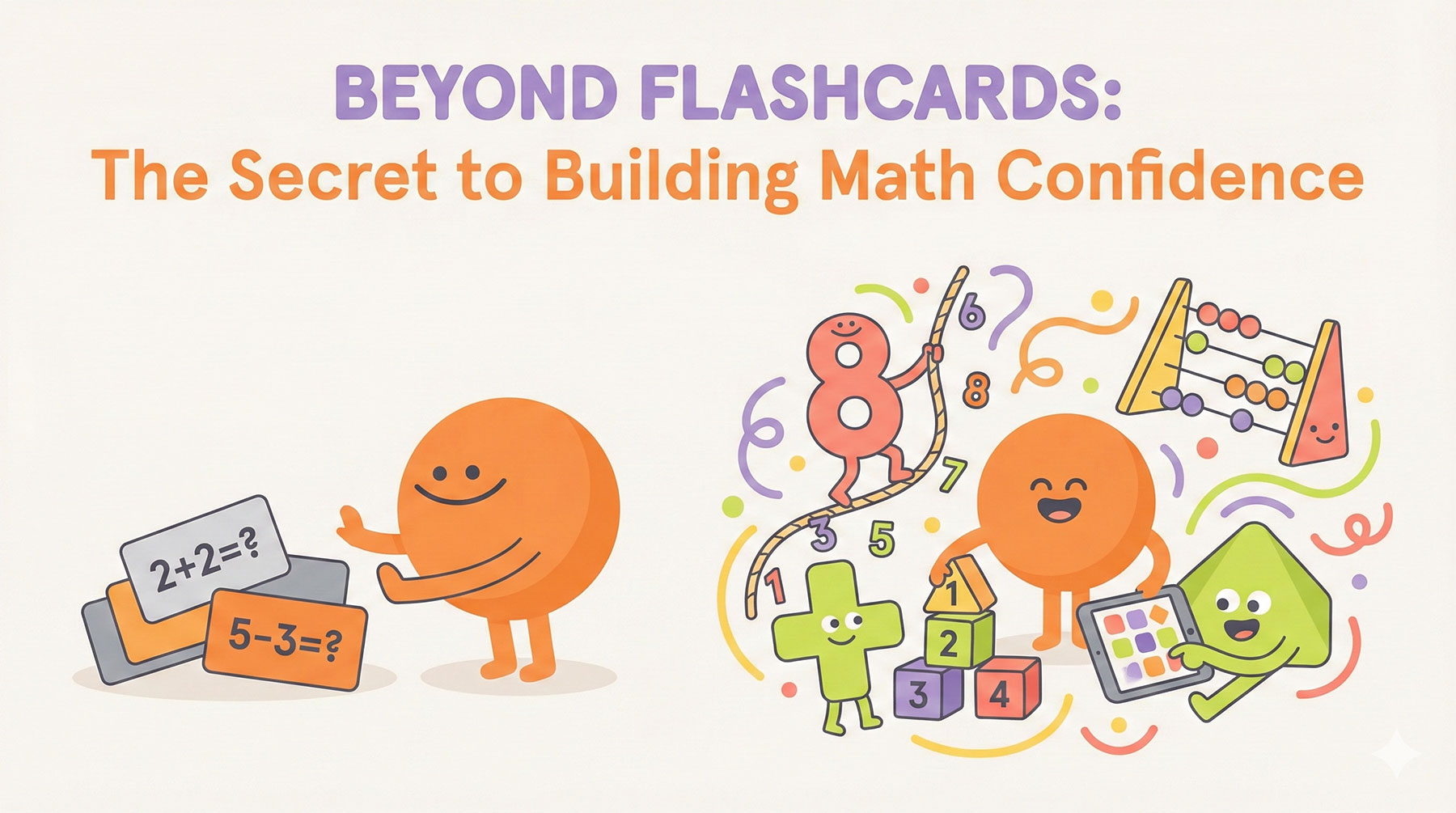
Grab a sibling or a friend, share a single screen, and see who can reach the top first in our two-player Math Rope Race.