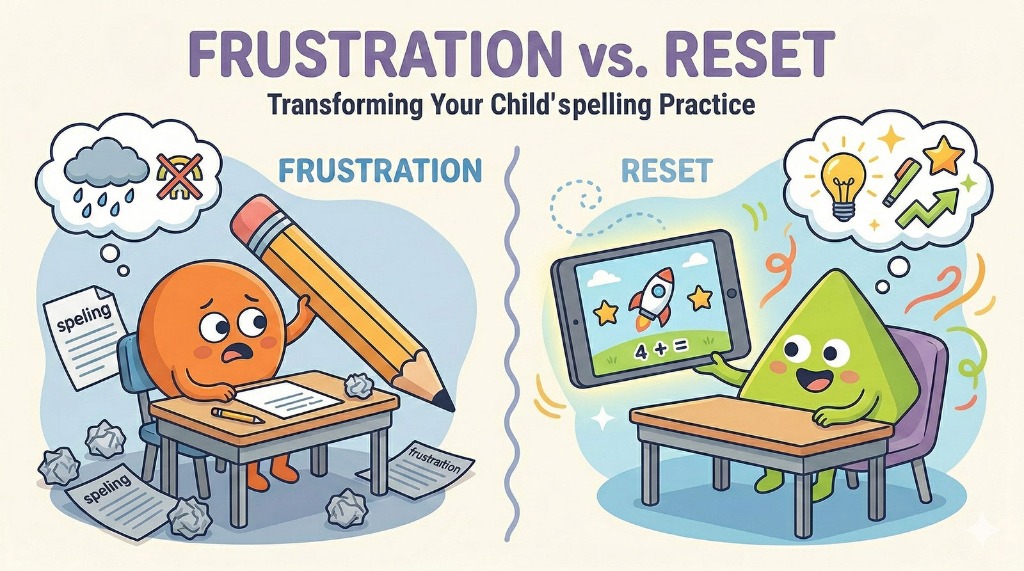
After a long school day, staring at a static math worksheet can feel like an impossible task. I’ve seen firsthand how quickly frustration can build when an 8-year-old like my son Aryan hits a wall with his assignments. When the tears start, pushing harder usually backfires.
That’s when you need the "10-Minute Reset."
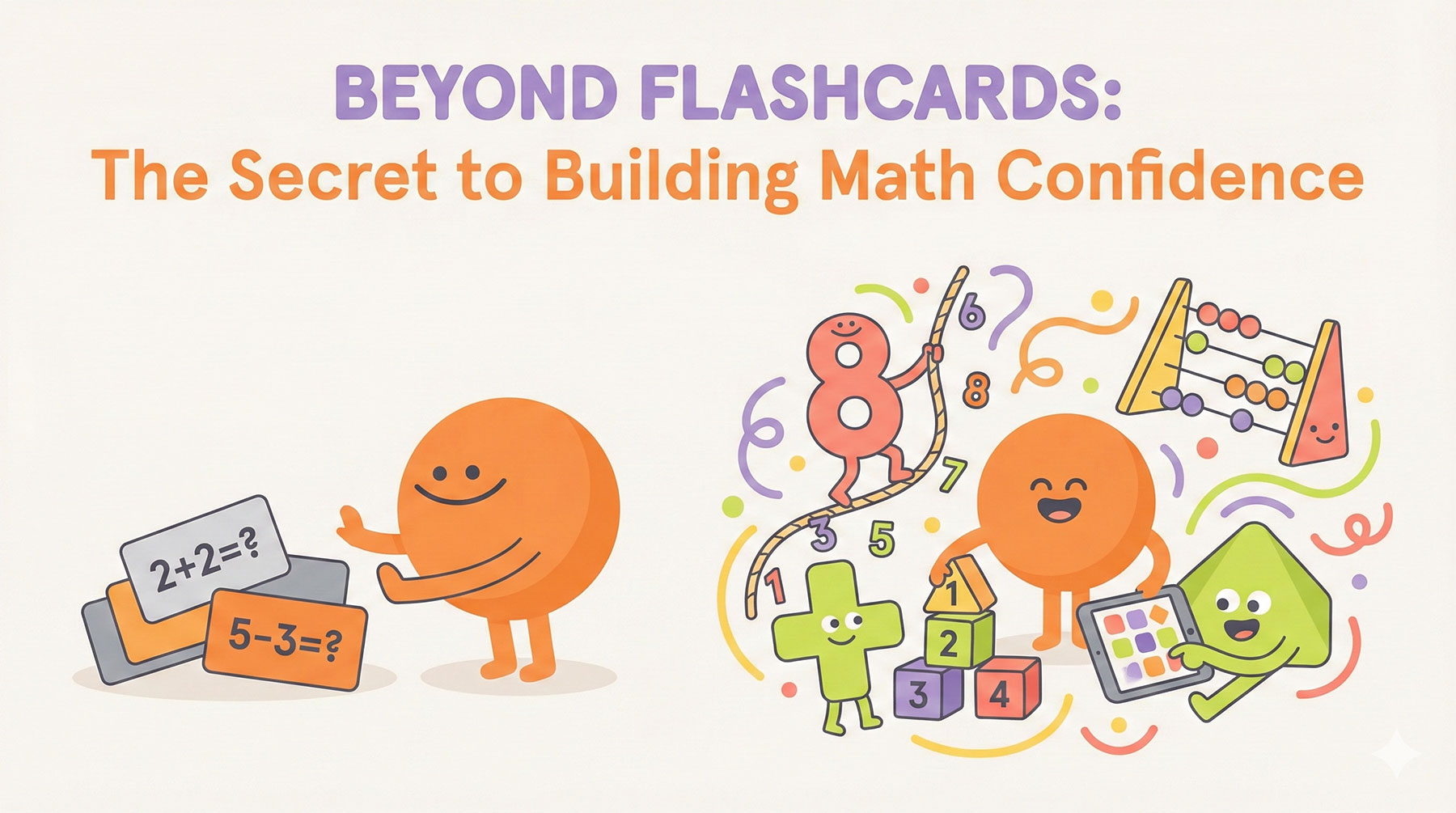
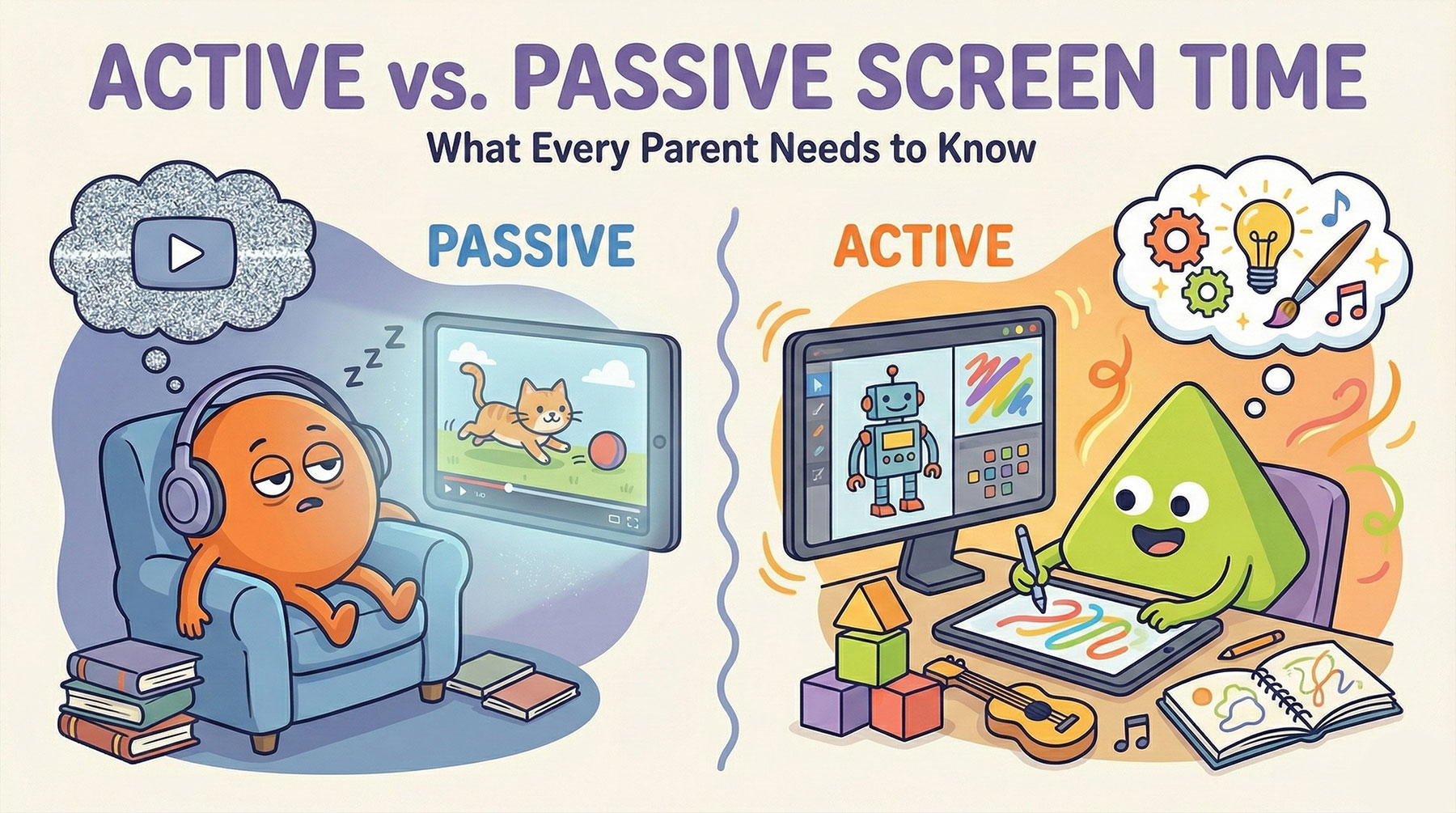
Instead of forcing a child to stare at the problem, break their focus entirely with a high-energy, low-stakes digital brain break. Games that require rapid response—like dodging obstacles or solving quick arithmetic to climb a rope—force the brain to shift gears. It replaces the feeling of "failing" with a quick burst of dopamine and success.
After ten minutes of gamified play, the child returns to their physical homework with a reset nervous system and a renewed sense of confidence. The next time the kitchen table turns into a battleground, close the workbook and let them race for a few minutes. You’ll be amazed at how much faster the homework gets done afterward.
If your child needs a quick math reset, try a fast-paced round of Math Rope Race to get their brain back on track without the pressure.